
I think that most of us have one or more, if we are lucky, favorite teachers who really inspired us. I decided I wanted to be a teacher my junior year in high school because of Sarah Bayrd. Mrs. Bayrd was my American History teacher, and she started class on the first day warning us that her class was not easy, and that few students earned an A. For some reason, I took that as a personal challenge and dedicated myself to proving her wrong. I did prove her wrong, but the truth is that she won in the long run. I was totally enamored with American History through her eyes. I can still remember the things she would say in class each day : “take your homework out, fold it in half, put your name upon it, and pass it to the front,” and her readings from the book The Last Cow on the White House Lawn. Sadly, we lost Mrs. Bayrd much too early. She passed away doing something she loved, in an auto accident while touring Europe.
Though Sarah Bayrd is gone, she is certainly not forgotten by her many students, and certainly not by me. After that American History class ended, I was on fire to be the next Sarah Bayrd, and I told her that often. I like to think it pleased her.
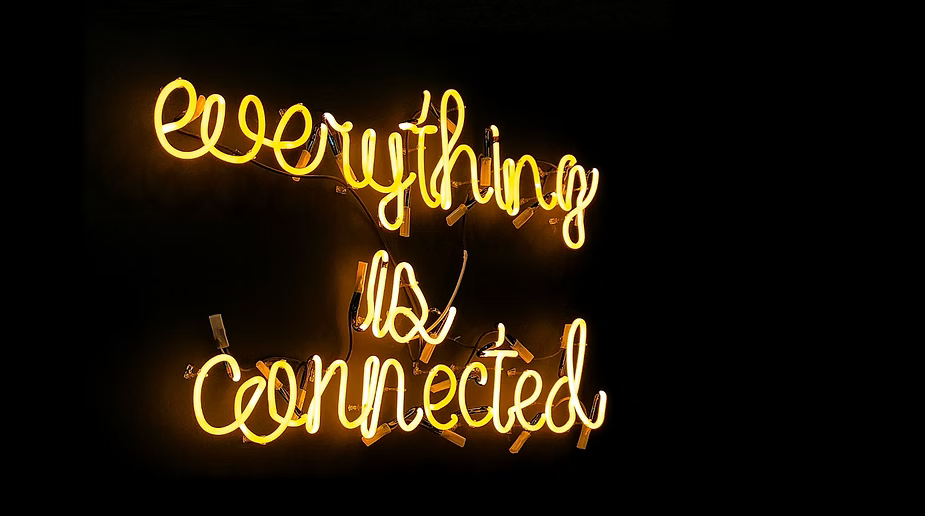
My first job was teaching American Government to high school seniors. I made plenty of rookie mistakes, but I also know that I made a positive impact on several students. I got to teach college students while working on my Master’s degree in American Studies, too. That experience helped mold my thinking about what I call the “so what” of history. American Studies is, by its very nature, all about interdisciplinary thinking. I began to see connections everywhere – between politics and music, literature and social movements, economics and everything else.
All of that, combined with several years working in museums and nearly a decade of teaching my own children, brought me to where I am now. I believe deeply that students learn best when they can see the connections between topics, and between their lives and what they are studying. As teachers, we have to help them see why the past matters. I delight in showing world history students how the thread of nationalism is woven through more than a century of conflict in Europe, or how the stories told by native West African people echo in the cautionary tales passed from an enslaved parent to her child. American government students need to read the U.S. Constitution and see how the decisions made by national, state, and local lawmakers shape their daily lives. American history students can look at the origin of the Pony Express and find the history of email on their phones. Current events give students a way to connect history, politics, sociology, economics, and geography, all at once. When students can see those relationships, they don’t just understand the material. They start making connections on their own.
My heart is full knowing that I may be able to help a student come to love learning the way Sarah Bayrd helped me. That’s the whole point, and it’s what every course I teach is built around.